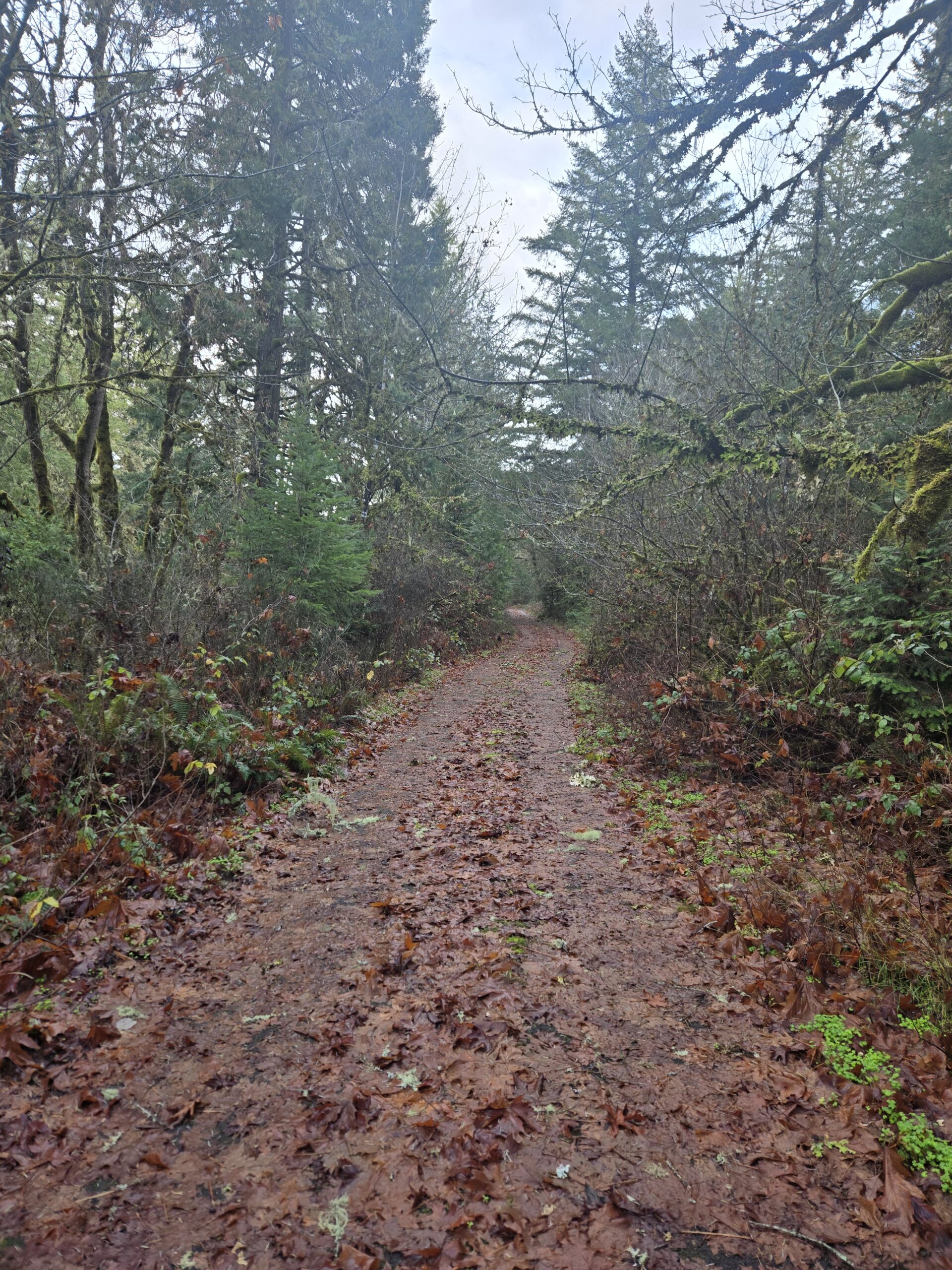
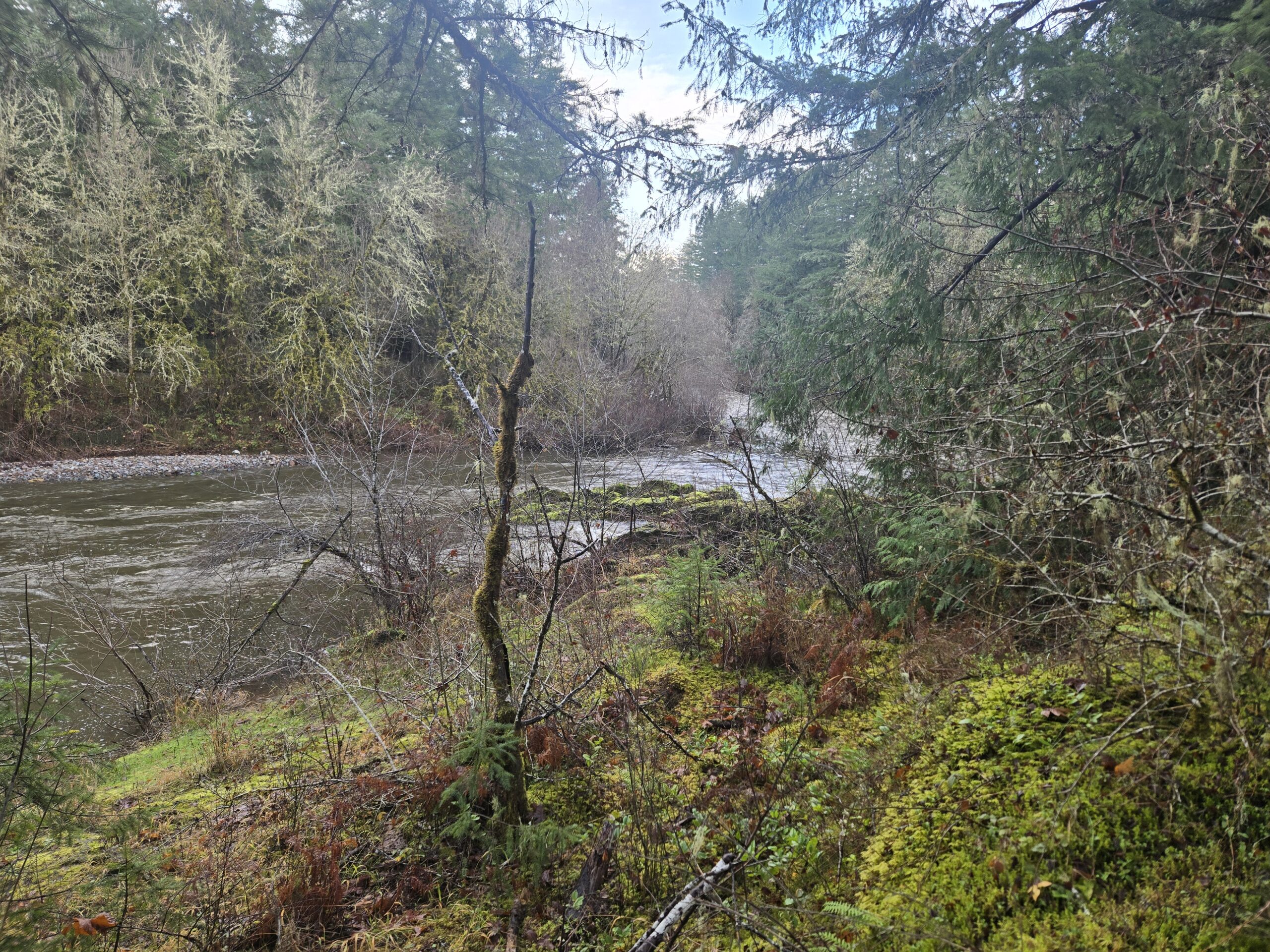
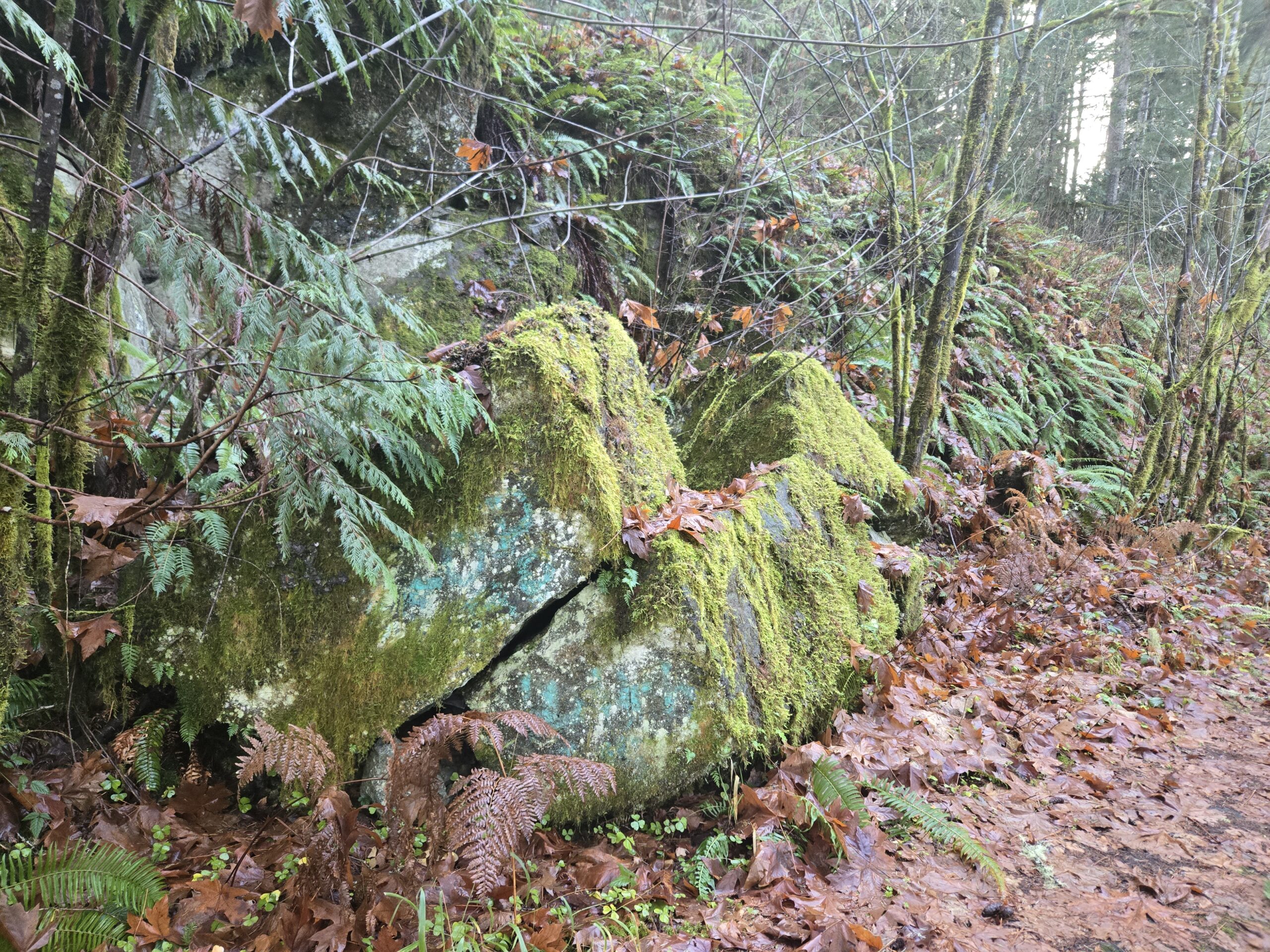
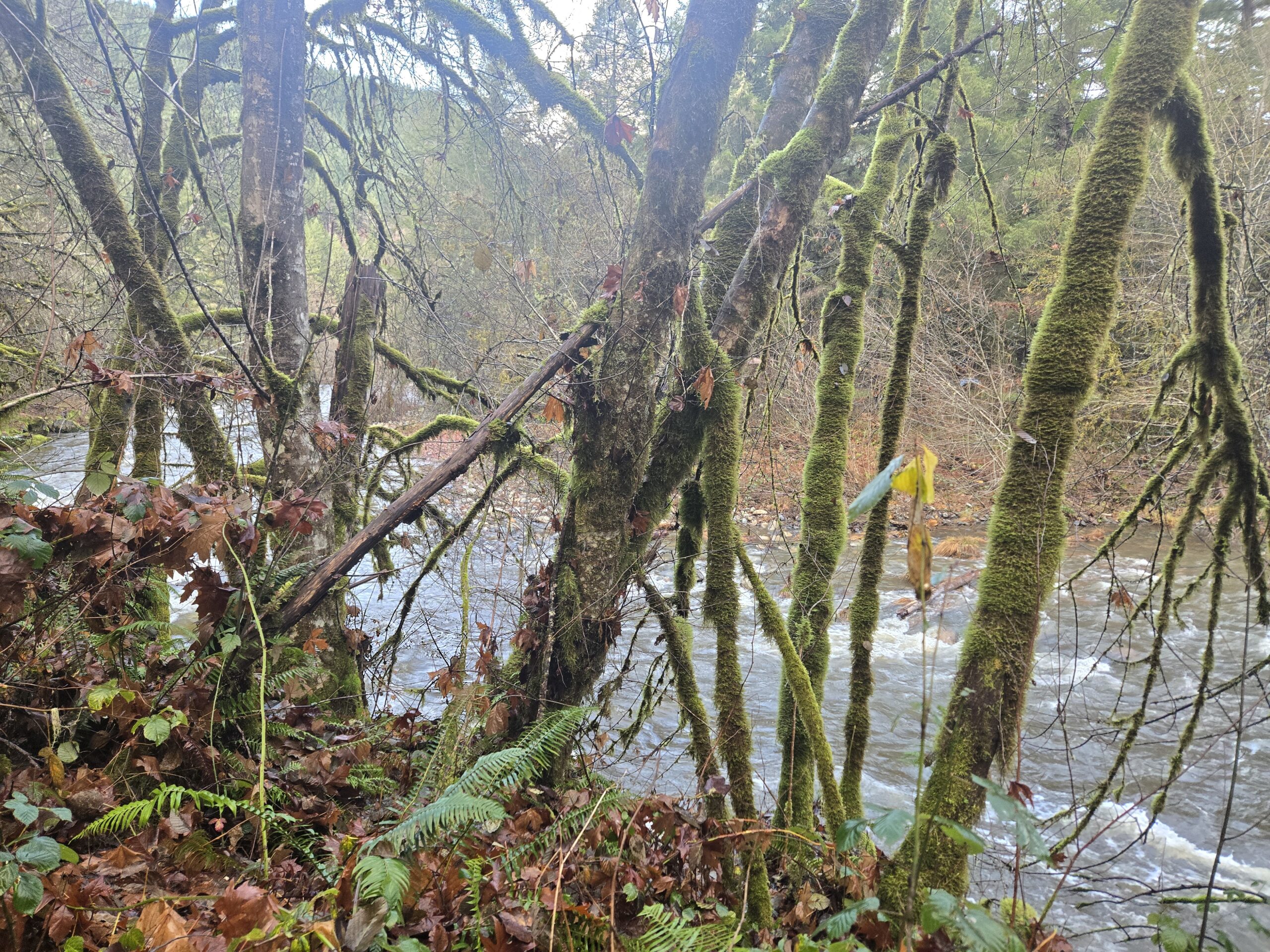
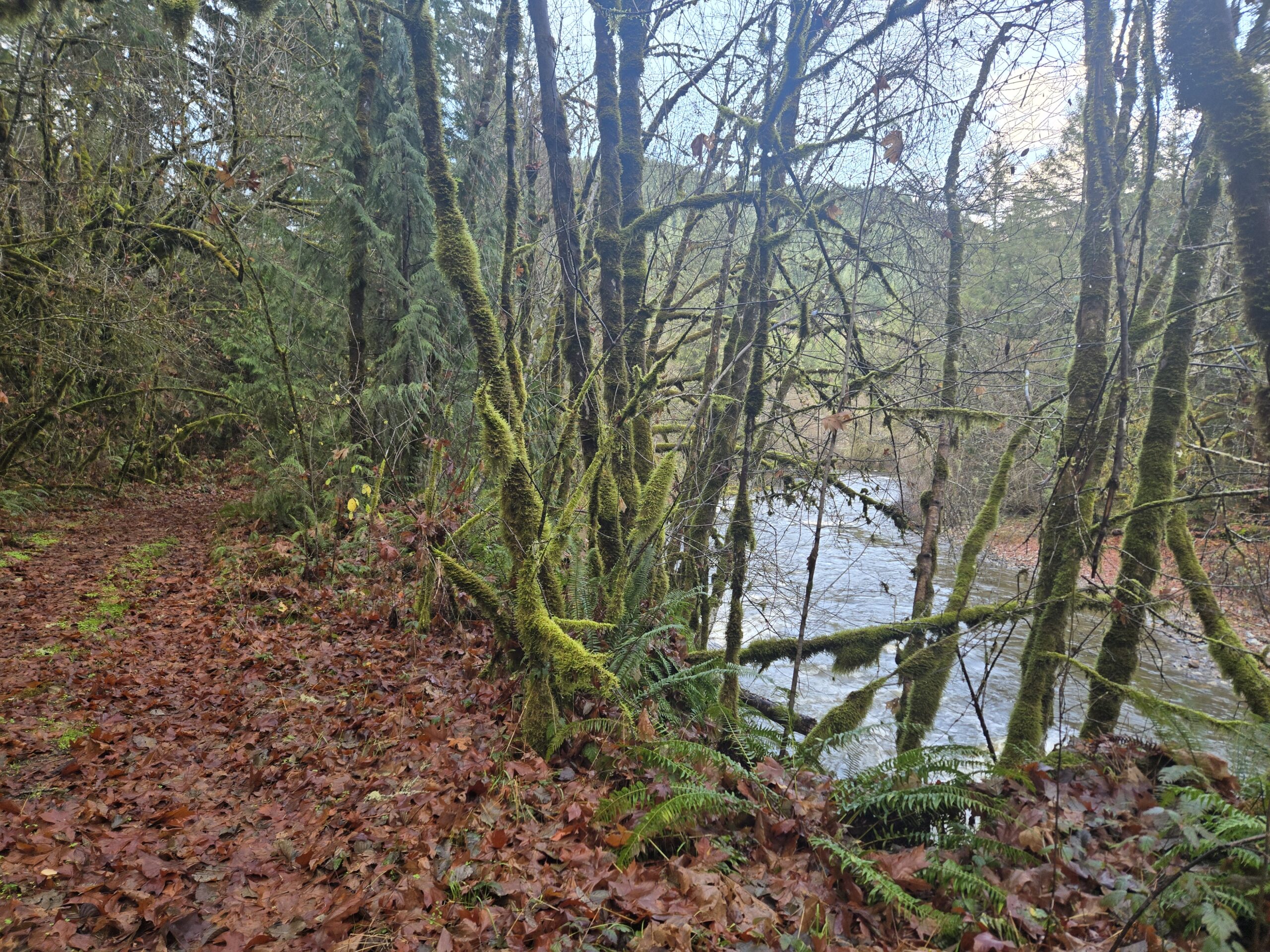
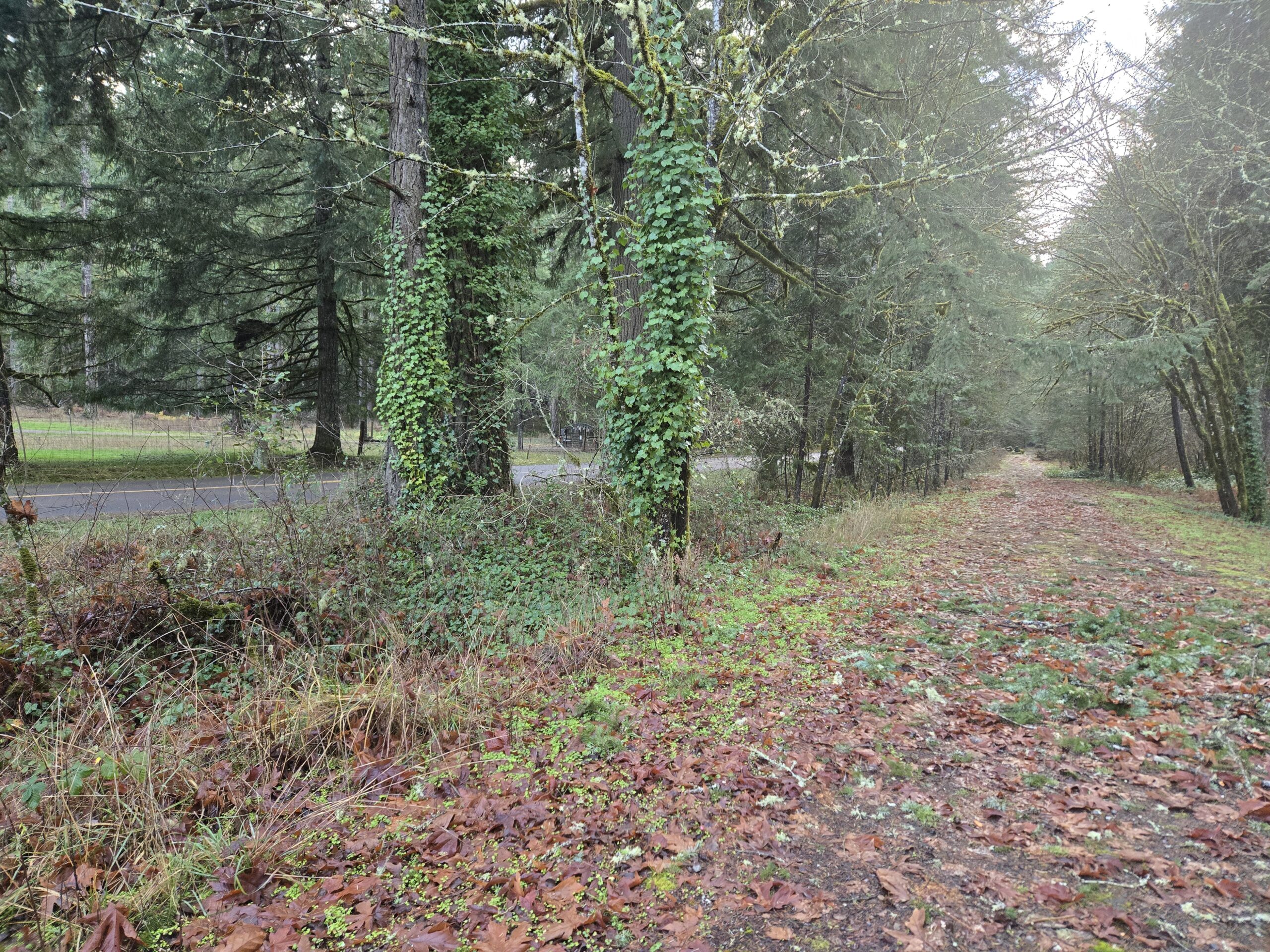
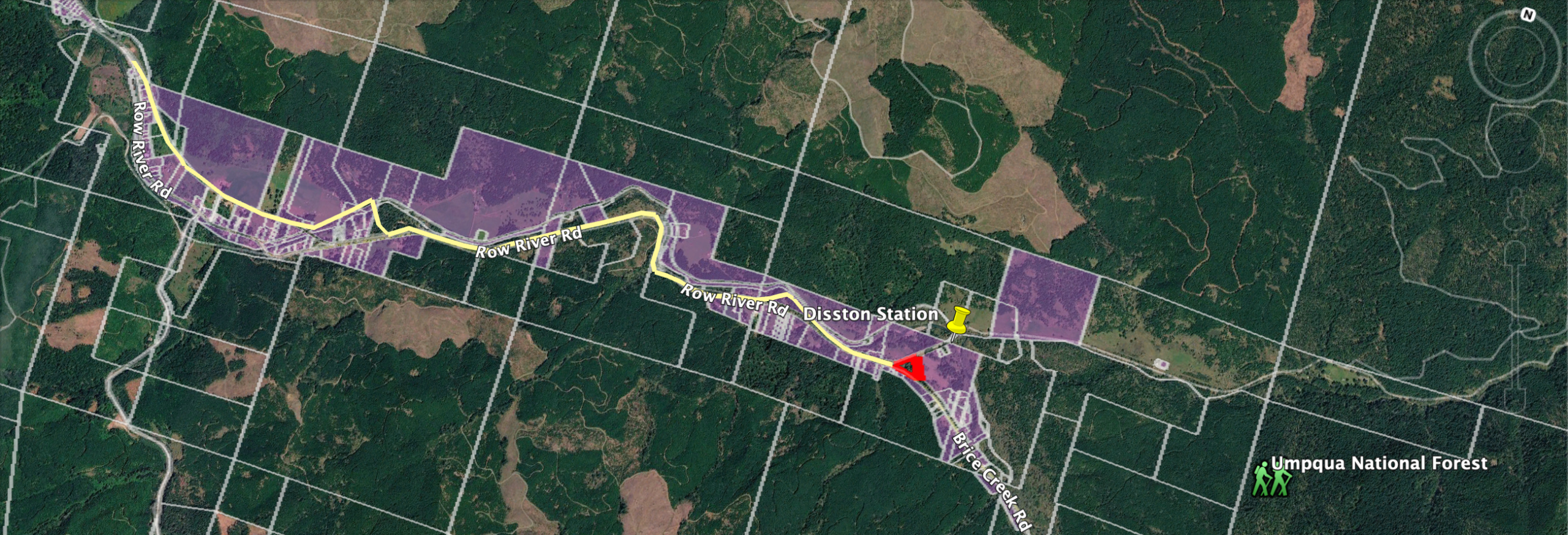
We extend our sincere thanks to Weyerhaeuser for their generous land donation, which includes the four-mile Disston Pathway corridor and a site for the future Disston Auxiliary Fire Station. This gift entrusts our community with the restoration of a historic route through forested landscape that holds both ecological and community value. We approach this responsibility with humility and care, committed to restoring the pathway in a manner that respects the land, protects the watershed, and creates a safe, welcoming space for residents and visitors. This work reflects a broader ethic of stewardship grounded in long-term care, local engagement, and shared responsibility.

Protecting the pathway is central to that stewardship. The corridor has been vulnerable to unauthorized vehicle access, illegal dumping, and ongoing damage that undermines restoration efforts. Installing locking access-control bollards at key entry points will prevent motorized intrusion while allowing access for pedestrians, cyclists, and authorized emergency and maintenance vehicles. This targeted, durable solution safeguards the land, reduces recurring impacts, and ensures that restoration efforts are preserved over time. We are grateful for the trust placed in our community and remain committed to caring for this corridor with diligence and respect.
A First Step in Caring for the Pathway
In fall 2026, the Upper Willamette Soil & Water Conservation District awarded RRVCP a $5,000 Small Conservation Grant to begin a pilot cleanup and stewardship project along the Disston Pathway.
The grant gives us an opportunity to begin learning what long-term care of this four-mile corridor will require. Working with volunteers and community partners, we will organize seasonal cleanup efforts, remove dumped materials and debris, provide supplies and safety support for volunteers, and document areas where erosion, vegetation, abandoned vehicles, or other concerns may need additional attention.
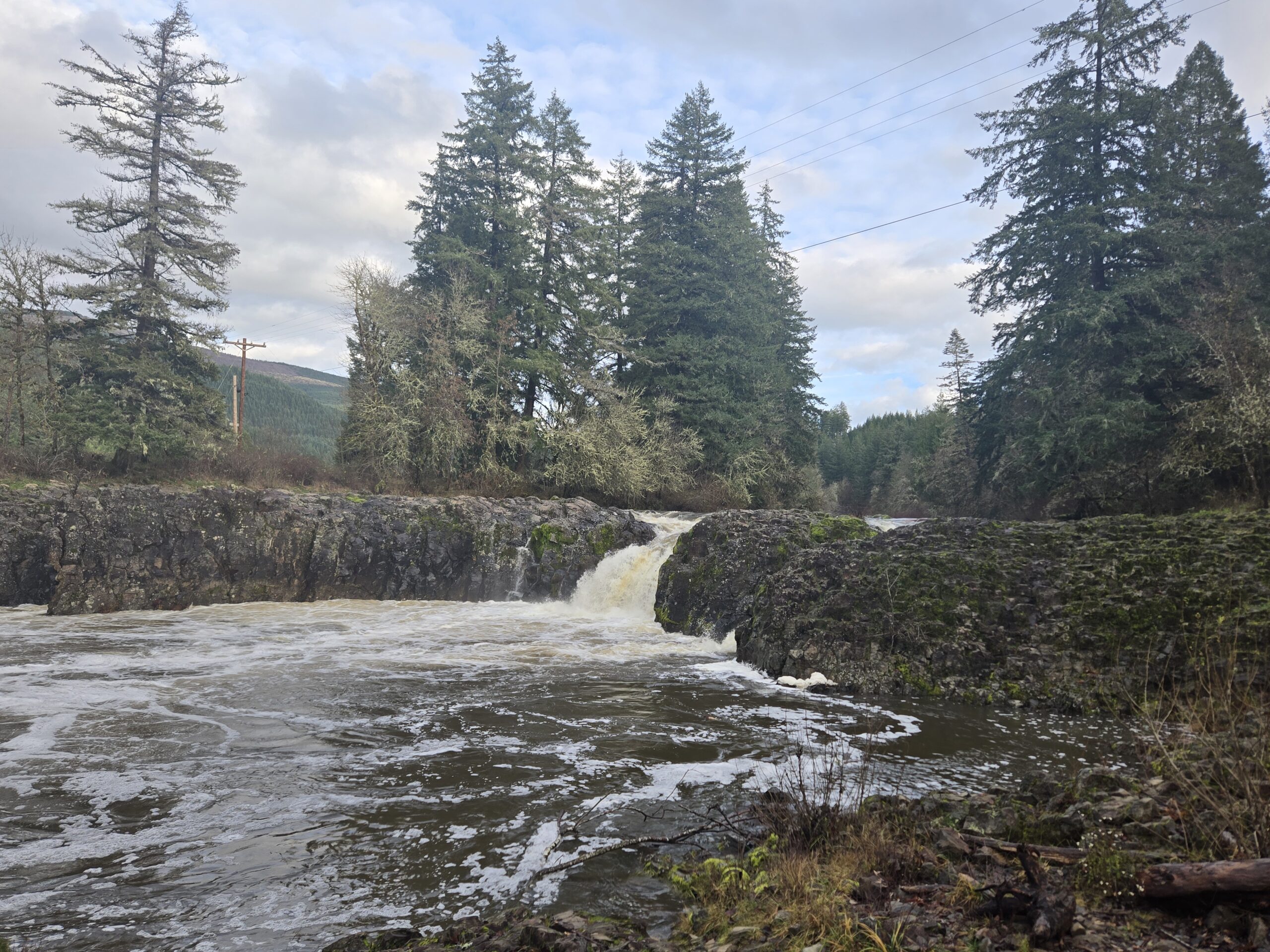
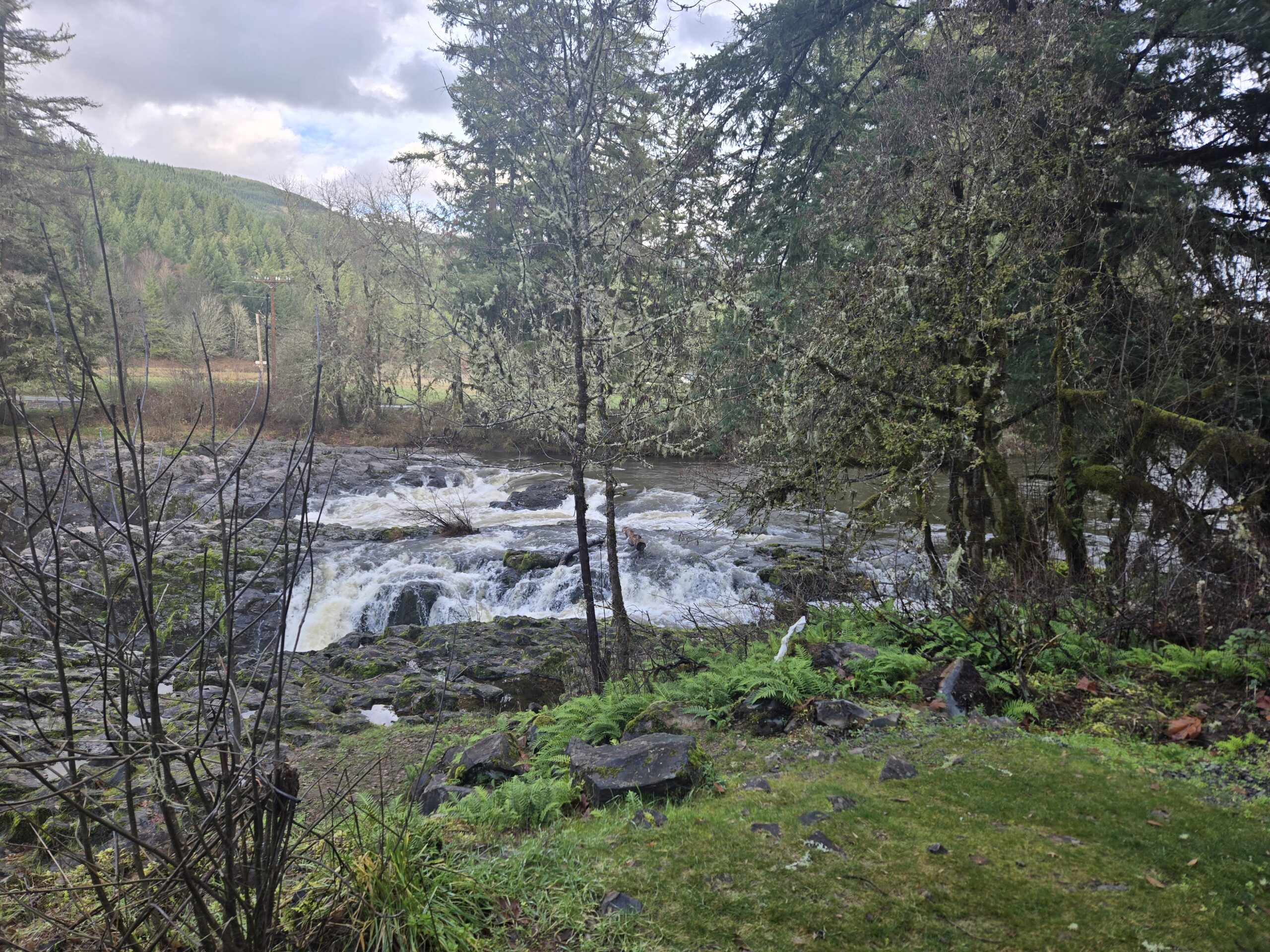
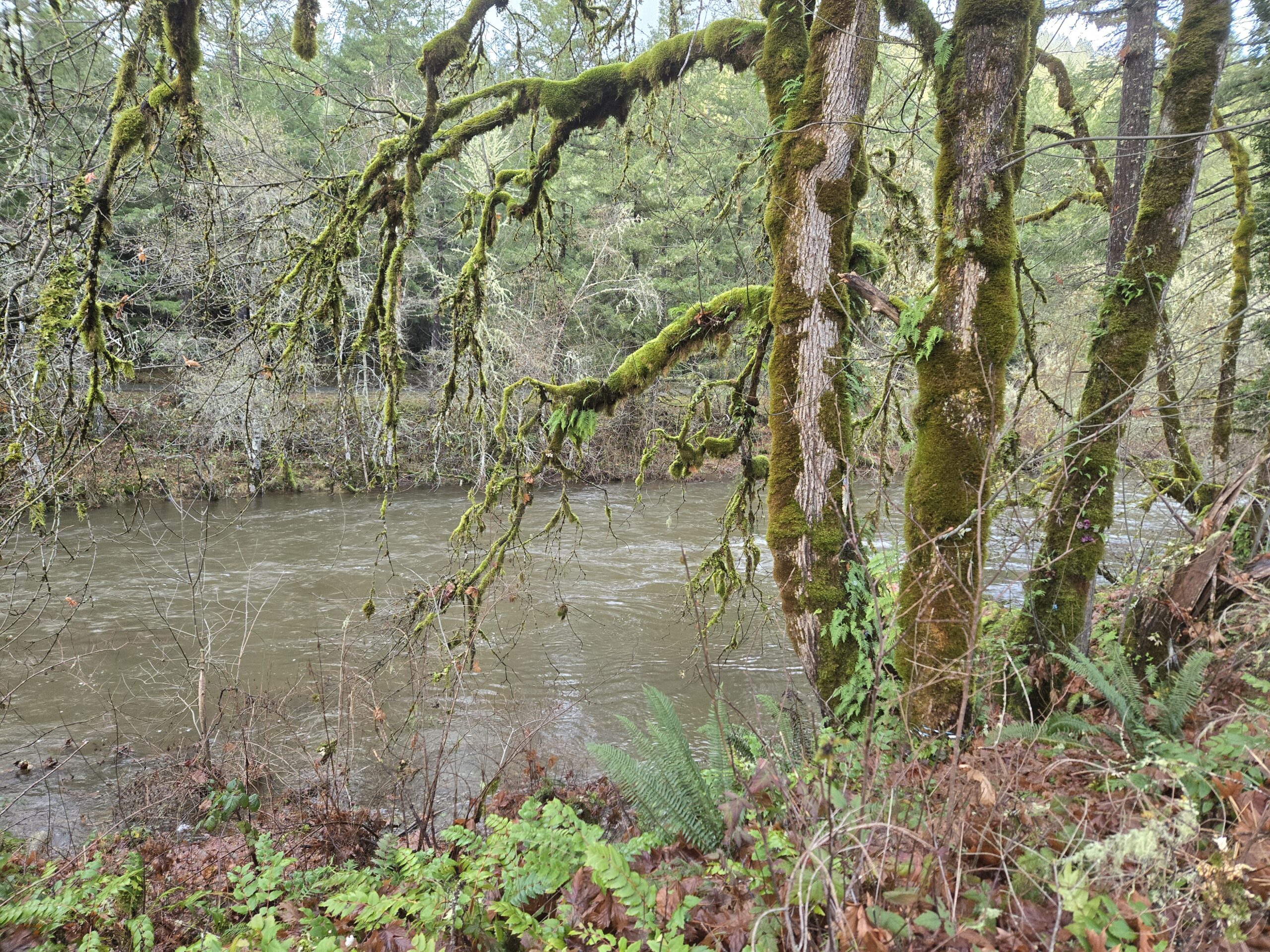
This first project is intentionally small. The pathway follows portions of the Row River and Layng Creek and passes through an area that has experienced illegal dumping and unauthorized vehicle access for many years. Before making larger plans for the corridor, we want to spend time on the ground, care for what has been entrusted to us, and better understand the needs of the land.
We are grateful to the Upper Willamette Soil & Water Conservation District for helping our community take this first step. The work will also bring together local residents and partners who share an interest in the health of the watershed and the future of this historic corridor.